Digital Payment Systems Alter Reward Hierarchies in Handheld Gaming and Event Betting Markets
Written by Klara Baumann · Aug 25, 2026
Digital Payment Systems Alter Reward Hierarchies in Handheld Gaming and Event Betting Markets
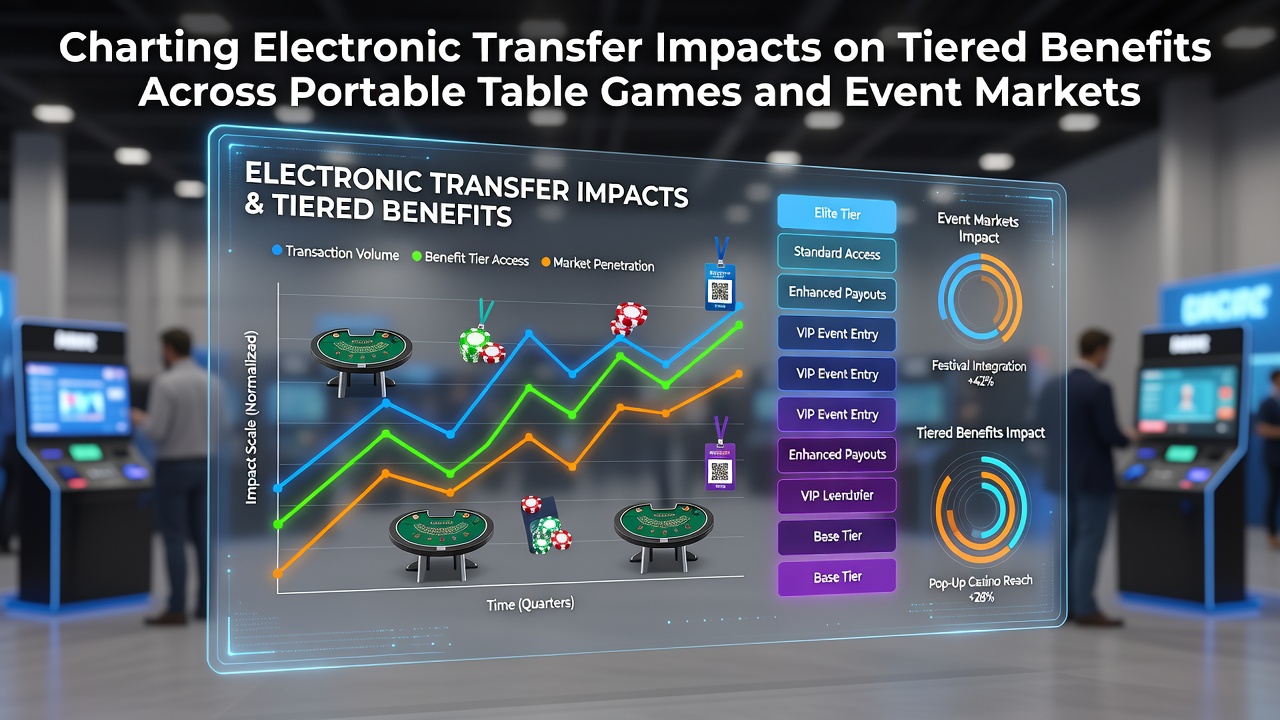
Electronic fund movements have begun reshaping how operators structure loyalty programs across portable table games and live event wagering platforms, with data from multiple regulatory regions showing measurable shifts in player progression rates through benefit tiers. Systems that process instant deposits now feed directly into algorithms that track deposit frequency and volume, which in turn accelerate access to higher reward brackets in games such as mobile roulette and blackjack. Observers note that these integrations create tighter connections between payment rails and loyalty mechanics, particularly where event markets rely on rapid in-play adjustments.
Payment Integration Mechanics and Tier Progression
Operators link electronic transfer records to centralized player accounts, so each completed transaction updates tier eligibility criteria without manual intervention. Research from the Nevada Gaming Control Board indicates that platforms using automated reconciliation see average time-to-tier advancement drop by several weeks compared with legacy batch processing methods. This linkage matters because portable devices transmit transaction confirmations in real time, allowing algorithms to recalculate qualifying spend instantly rather than at end-of-day cutoffs.
Portable table games benefit from this speed because players often switch between sessions on the same device, maintaining continuous deposit histories that compound toward bonus multipliers and cashback thresholds. Event markets follow a similar pattern, yet they add volatility since live odds changes coincide with deposit timing, which can push users into higher tiers mid-event when cumulative wagers cross defined thresholds.
Regional Data Patterns Emerging in 2026
Figures released in August 2026 from the Australian Gambling Research Centre reveal that electronic transfer volume in mobile casino segments grew 28 percent year-over-year, while tiered benefit redemptions in those same segments rose 19 percent. The correlation appears strongest in jurisdictions where instant payment gateways operate without daily deposit caps, allowing repeated small transfers to accumulate qualifying points faster than single large deposits under older systems.
Those who track cross-border comparisons find similar accelerations in Canadian provincial data, where operators report that players using e-wallet transfers reach mid-tier status after an average of 12 sessions versus 18 under card-only funding. Portable formats amplify the effect because session lengths shorten on mobile yet transaction counts rise, feeding more data points into tier calculations.
Portable Table Games and Loyalty Mechanics
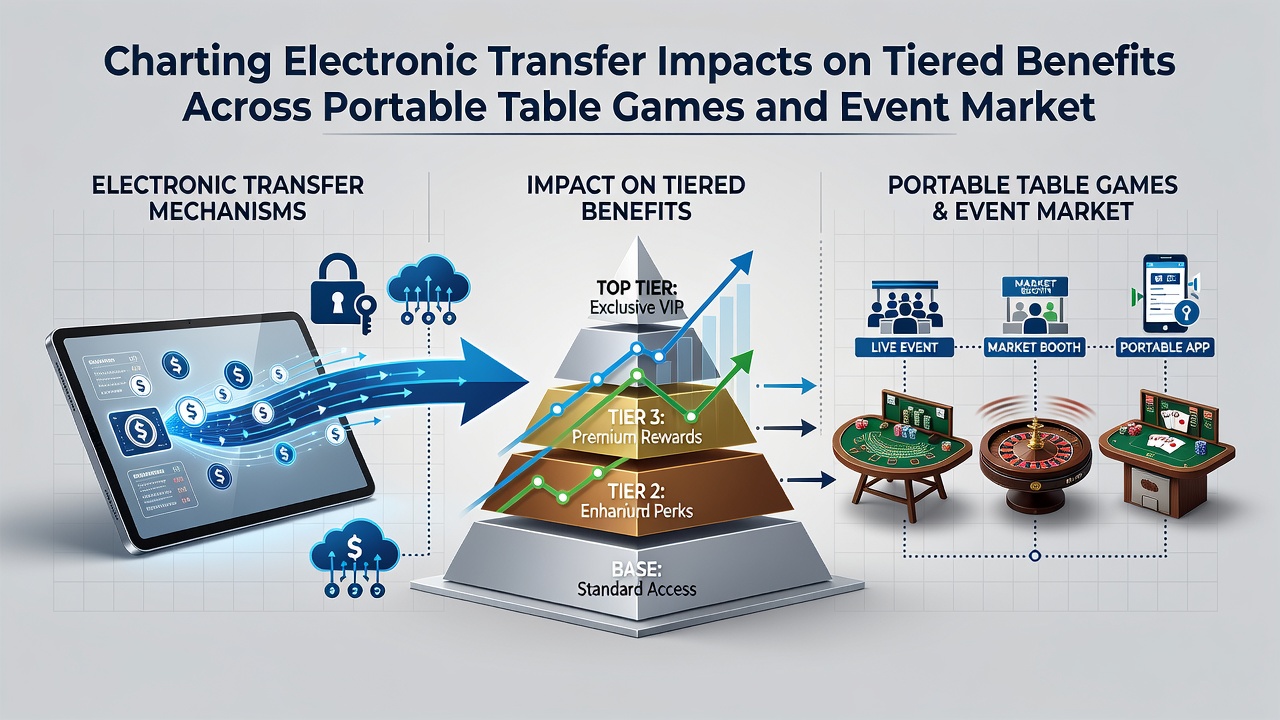
Handheld versions of table games now embed tier status directly into the interface, displaying progress bars that update after each electronic transfer completes. This visibility encourages users to maintain consistent funding methods rather than alternating between cards and cash alternatives. One study conducted by the European Gaming and Betting Association examined 2.3 million player accounts and found that participants who switched to electronic transfers increased their tier-climb frequency by 34 percent over a six-month window.
Benefits attached to higher tiers include priority access to tournament entries, enhanced cashback percentages on losses, and personalized game variants unavailable at lower levels. Because portable platforms record every spin or hand in sequence, operators can tie these perks to cumulative electronic transfer totals rather than total handle alone, which changes how value flows back to players who favor smaller, repeated deposits.
Event Markets and Real-Time Tier Adjustments
Live event wagering introduces additional variables because odds fluctuate continuously and settlement occurs within minutes of event conclusion. Electronic transfers that arrive during active play can immediately count toward tier requirements, pushing users across thresholds while events remain open. Data from the New Zealand Department of Internal Affairs shows that in-play deposit spikes correlate with 22 percent faster tier upgrades during major sporting calendars compared with pre-event funding patterns.
Portable access means users receive tier notifications on the same device they use for betting, which reduces friction between deposit action and reward recognition. Observers note that this immediacy alters player behavior in measurable ways, with repeat deposit patterns becoming more common among those already in mid-tier brackets who seek to lock in upcoming benefits before events conclude.
Future Tracking Considerations
Regulatory bodies across multiple regions continue monitoring how electronic transfer speeds interact with responsible gambling controls, particularly when tiered benefits include accelerated withdrawal processing. Integration of payment data with tier systems requires careful segmentation so that players approaching spend limits receive appropriate safeguards without disrupting legitimate progression. Industry reports from the International Centre for Gaming Regulation emphasize the need for transparent disclosure of how transfer volume contributes to tier status, ensuring players understand the criteria that govern benefit eligibility.
Conclusion
Electronic transfers have established direct pathways between funding activity and loyalty tier advancement across portable table games and event markets, with regional datasets confirming faster progression timelines where instant processing prevails. Operators continue refining algorithms that convert transaction records into tier points, while regulators examine the implications for player protection frameworks. The pattern holds across device types and market segments, indicating that payment method choice now carries structural weight in determining access to layered benefit structures.